Importing goods into Nigeria can be a profitable business, but small mistakes can quickly turn a promising shipment into an expensive problem. A wrong customs classification, unreliable supplier, incomplete documentation or poorly planned delivery can lead to delays, unexpected charges and lost profits.
Most of these problems are avoidable. The key is knowing where things usually go wrong and planning for those issues before the goods leave the country of origin.
This article discusses the top mistakes you can avoid when importing goods into Nigeria.
Top 8 Mistakes Importers Make When Importing Goods into Nigeria
Here are the top 8 mistakes you should avoid as a Nigerian importer:
1. Choosing a Supplier Based Only on Price
For every quality product you see on the import market, there are at least 20 far cheaper, lower-quality alternatives. A low price is tempting, especially when you’re importing products for resale. But the truth is that often, cheap items come with hidden costs that make them more expensive in the long run.
Some items are cheap because the suppliers used cheaper materials in production or excluded costs that another supplier has already included in their quotation. In more serious cases, it might be that the supplier isn’t reliable or doesn’t intend to deliver what was agreed.
To avoid this mistake, you must research potential suppliers before placing a large order. Look at their business history, product range, customer feedback and communication. Ask for samples when appropriate, especially if you’re ordering a product for the first time.
Also, compare suppliers based on the complete offer, including product quality, minimum order quantity, packaging, production time, payment terms and shipping arrangements.
This is because a slightly higher unit price from a dependable supplier can be much cheaper than receiving a large shipment of products you can’t sell.
2. Failing to Calculate the Full Cost of Importation
One of the most common mistakes new importers make is calculating their expected profit using only the purchase price and shipping cost.
Your goods may cost $10,000 from the supplier, but that’s definitely not the total amount you’d spend to get them into your warehouse.
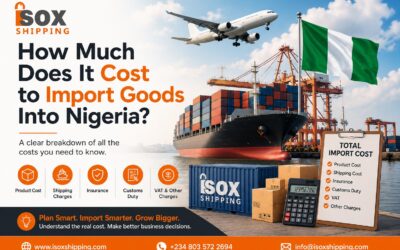
You’d incur other costs like:
- International freight
- Insurance
- Customs duty
- VAT and other applicable taxes or levies
- Customs brokerage and documentation
- Port or terminal charges
- Storage
- Inland transportation
- Warehousing and handling
These costs can significantly affect your final selling price and profit margin, because they’re often a significant percentage of the actual purchase costs.
So, how do you avoid this mistake?
You have to make sure you calculate the landed cost before placing the order. Ask your logistics provider for a detailed estimate that covers the major costs involved in moving the shipment from the supplier to its final destination in Nigeria.
This gives you a much clearer idea of whether importing the goods is commercially viable for your business.
3. Getting the Customs Classification Wrong
Every imported product needs to be properly classified for customs purposes. The relevant Harmonized System (HS) code can affect the applicable duty and other import requirements.
You can get an incorrect duty assessment if you classify the goods wrongly. This results in additional costs or delays during clearance.
It’s quite risky to assume that two similar-looking products will automatically have the same customs classification.
To get this right, always confirm the appropriate HS code before your shipment leaves the country of origin. The Nigeria Customs Service provides tariff information through its online Tariff and CET Lookup Portal, which can help you check classifications and applicable tariff information.
If the product specifications or classifications are uncertain or complicated, seek professional customs advice before shipping.
4. Ignoring Import Restrictions and Regulatory Requirements
Not every product can simply be ordered overseas and brought into Nigeria.
Some goods are prohibited, while others are subject to specific conditions, permits, certificates or approvals from relevant government agencies.
This is really important for products that fall under regulated categories, such as food and beverages, pharmaceuticals, and chemicals.
You might think it’s not that serious, but discovering a restriction after your goods have already been shipped can leave you with a serious financial problem.
Therefore, it’s important you check the current import requirements for your specific product before paying the supplier. Don’t rely on an old article, a supplier’s assumption or something another importer told you.
5. Not Treating Documentation as a Priority
Some importers leave shipment documentation until their goods have arrived. Don’t make that mistake because it could have devastating consequences.
Depending on the shipment, you may need documents such as Form M, a commercial invoice, packing list, bill of lading or air waybill, and other applicable documents and approvals.
Make sure to avoid errors and inconsistencies between your documents, as they can create unnecessary questions and delays during the clearance process.
The secret here is to start preparing your documentation early. Make sure the information on your invoices, packing lists, shipping documents and customs declarations is consistent.
If you’re working with a freight forwarder or customs broker, provide the required information as early as possible so potential issues can be identified before the cargo arrives.
6. Choosing the Wrong Shipping Method
Air freight and sea freight serve different purposes. Understanding this will help you avoid so many mistakes.
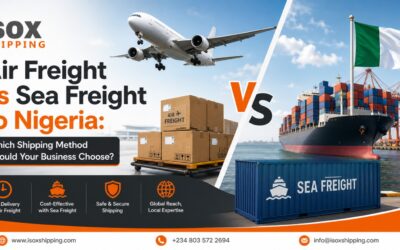
Air freight is faster and can make sense for urgent, lightweight or time-sensitive shipments. Sea freight is generally more suitable for large, heavy or bulky cargo and can offer better economics for substantial volumes.
So, it would be inappropriate for you to choose your shipping method based only on the freight rate.
For example, sea freight might appear cheaper, but if waiting for the shipment causes your business to run out of stock, the savings may not be worth it.
Likewise, paying for air freight on a large shipment that could have been planned months in advance can unnecessarily reduce your profit margin.
Before you choose a shipping method, consider the size, weight, value and urgency of your cargo. Think about how much a delay would cost your business and compare the total logistics cost of each option.
In some cases, your best strategy might be to use sea freight for regular bulk inventory and air freight when you need urgent replenishment.
7. Not Vetting the Shipping and Logistics Partner
You can find a good supplier and still have a bad experience because the logistics side wasn’t properly managed.
International shipments involve multiple parties, including carriers, customs authorities, ports, terminals, transport companies and warehouses. Poor coordination between them can cause delays and unexpected costs.
Work with an established freight forwarder or logistics company that understands both the international shipping process and the Nigerian market.
Ask what services are included, who handles customs clearance, how shipment updates are provided and how potential delays or additional charges are handled.
A logistics partner should be able to explain the process clearly instead of leaving you to figure everything out after the shipment has already departed.
8. Failing to Plan for Delays and Unexpected Costs
I’ve seen carefully planned shipments encounter unexpected problems so often that I know no experienced importer will fail to plan for delays and unexpected costs.
Weather, port congestion, documentation issues, customs inspections, carrier delays and other operational problems can affect delivery schedules.
The mistake is assuming that everything will go exactly according to plan.
The right thing to do here is to build some flexibility into your timeline and budget. Don’t promise customers delivery dates that leave no room for reasonable delays.
Keep track of important shipment deadlines and communicate regularly with your logistics provider.
If you’re importing regularly, record the costs and delays associated with each shipment. Over time, this gives you useful information for planning future orders more accurately.
A Better Way to Approach Importing Into Nigeria
Avoiding these mistakes comes down to preparation.
Before placing an order, make sure you understand the product you’re buying, the supplier you’re dealing with, the shipping terms, the applicable customs requirements and the complete landed cost.
Then plan the shipment from beginning to end. That means considering international freight, customs clearance, port handling, inland transportation and final delivery as parts of one logistics process.
If you’re a regular importer, working with a freight forwarding company can make this considerably easier. ISOX Shipping provides freight forwarding, air and sea freight, customs brokerage, land freight, warehousing and buyer consolidation services, allowing businesses to coordinate several parts of their logistics through one provider.
Conclusion
Importing can be profitable when the numbers and logistics are properly planned. The biggest problems often come from mistakes that could have been prevented before the goods ever left the supplier.
Verify your suppliers, calculate the full landed cost, get your customs classification right, prepare your documents early and choose a shipping method that fits your cargo and timeline.
A little preparation before shipment can save an importer a lot of money, time and frustration once the cargo reaches Nigeria.
Your goal shouldn’t be to get goods into Nigeria but to get them into the country legally, on time and at a cost that still makes sense for your business. Working with a trusted shipping partner like ISOX Shipping will help you achieve that.